Key facts at a glance
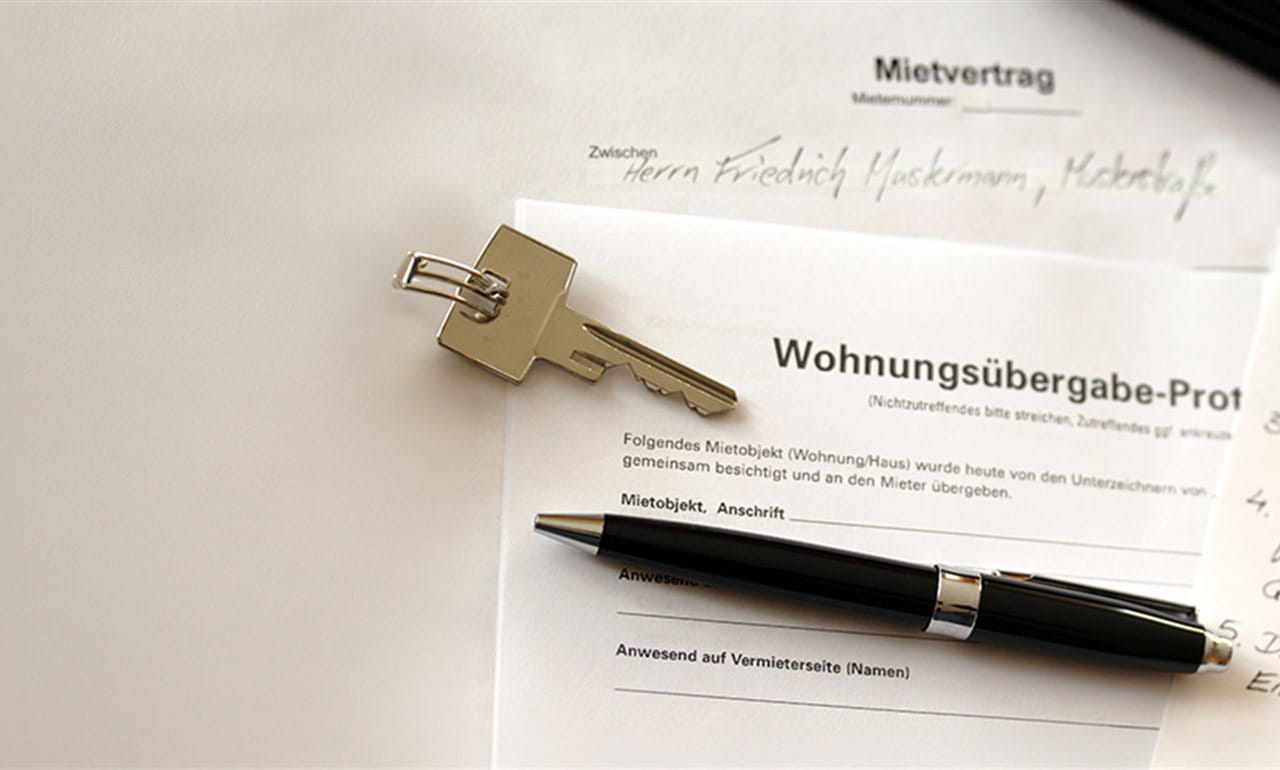
- An apartment handover report documents the condition of the apartment and helps resolve any future disputes.
- Record any damage, defects, meter readings and keys handed over as accurately as possible.
- Only sign the report if you agree with the information contained therein.
Clarity when moving in and out
Everyday life leaves its mark – sometimes even in your home: A scratch on the hardwood floor, a dent in the door or signs of wear on the fixtures and kitchen appliances. When moving in or out, it therefore makes sense for tenants and landlords to inspect the apartment together and note anything that stands out.
In Switzerland, while an apartment handover report is not required by law, it does establish a common basis. It shows the condition of the apartment at the time it was handed over and helps determine later on whether any damage was already present or whether it occurred during the lease term.
Create and keep a move-in report
Be sure to carefully document any damage or defects as soon as you move in. If you discover anything else later on, take a photo of it and notify the landlord in writing. Keep the move-in report in a safe place – that way, you can prove the original condition of the property when you move out.
Apartment handover: Step by step
Before the handover day
- Completely clear out the apartment and clean it in accordance with the lease agreement.
- Check early on to see if you need to take care of any minor tasks that fall under "minor maintenance", such as replacing a shower hose, a toilet seat or a filter.
- Test appliances such as the stove, oven, refrigerator or dishwasher and note any defects.
- Count all the keys and check to make sure you have all the apartment keys, mailbox keys and basement or garage keys.
- Report any damage you have caused to the property management as soon as possible and, if necessary, to your personal liability insurance provider.
- Do not undertake major repairs on your own; instead, discuss the procedure with the property management or landlord first.
- Please have the move-in report and the lease agreement ready for the handover.
- Print two copies of our template for the apartment handover report.
On the day of the handover
- If possible, you should attend the apartment handover in person.
- Walk through the apartment together, room by room, take photos of any damage or defects and record them accurately in the handover report. Don't forget about auxiliary rooms such as basements and garages!
- Please review the report carefully and only sign it if you agree with the information contained therein. If there are any discrepancies, you may add a written reservation or refuse to sign.
After the handover
- Keep the handover report, photos and other documents until all outstanding issues have been resolved.
- Carefully review the landlord's claims. As a tenant, you generally do not have to pay for normal wear and tear, such as faded wall paint or minor signs of use.
- If you have caused damage or excessive wear and tear to the apartment, you may be held liable – generally, at the current cash value rather than replacement value. The Service Life Table of the Tenants' Association provides guidelines for the current value of fixtures and structural components in rental apartments.
- Report claims to your personal liability insurance provider and seek legal advice in the event of a dispute.
What should be included in the apartment handover report?
Go through the apartment room by room and document everything carefully.
| Area | Information |
| General information | Address, date, names of the people involved, moving in or moving out |
| Living rooms and bedrooms | Condition of floors, walls, ceilings, doors and windows, as well as built-in closets |
| Kitchen | Condition of faucets, stove, oven, refrigerator, dishwasher and other appliance |
| Bathroom and toilet | Sink, faucets, shower, bathtub, toilet, mirror and ventilation |
| Secondary rooms | Basement, attic, balcony, patio or garage |
| Damage and defects | Described in detail individually and illustrated with photos |
| Meter readings | Electricity, water, gas or heating |
| Keys | Number and type of keys handed over |
| Agreements | Work still to be completed, deadlines or special arrangements |
| Conclusion | Place, date and signatures |
Rental security deposit after moving out
Once all claims have been resolved, the security deposit account can be released with the consent of both parties. If the money remains frozen in the rental security deposit account, there is a clear deadline: If the landlord has not taken any legal action within one year after the lease ends, you can request that the bank pay you directly – even without the landlord’s consent.
If a dispute arises during the apartment handover
Even with good preparation, disagreements can arise during the apartment handover. Often, the issue is who is responsible for the damage and who bears the costs.
In that case, it may be helpful to have the matter reviewed by a lawyer. Orion's private legal protection insurance, which can be purchased through Zurich, provides support in disputes related to your lease.
As an Orion customer, Orionline provides you with quick telephone support for legal questions regarding your lease.
Frequently Asked Questions About Apartment Handovers
Is an apartment handover report required in Switzerland?
No. An apartment handover report is not required by law. Nevertheless, it is highly recommended because it documents the condition of the apartment and can serve as proof in the event of any future disputes.
Do I have to sign the handover report?
You should only sign the report if you believe the information recorded is correct. For individual disputed items, you can add a reservation. If you disagree with any material information, you can refuse to sign.
Who is liable for damage when moving out?
Tenants are generally not required to pay for normal wear and tear resulting from ordinary use. However, they may be held liable for damage they cause themselves or for excessive wear and tear. When determining the amount of a claim, the cash value of the damaged item is one of the factors that plays a role.
Does personal liability insurance cover damage to a rental apartment?
Depending on the nature of the damage, personal liability insurance may cover the costs. The prerequisite is that the claim involves insured liability damage. Normal wear and tear is not included. If in doubt, report the claim to your insurance company before acknowledging the claim.
What should I do if I discover a defect after moving in?
Document the defect as accurately as possible – ideally with photos – and notify the landlord in writing. This makes it easier to prove later that the damage was already present at the start of the lease.
Who should be present at the apartment handover?
Ideally, the tenant and the landlord or property management company should conduct the handover together. If disagreements are foreseeable, it may also be helpful to have a neutral third party present.
When will I get my security deposit back?
The security deposit serves to secure legitimate claims arising from the lease agreement. If there are any disputes regarding damage or other claims after moving out, these should be resolved first. Normal wear and tear alone does not justify a claim for damages.
If the landlord has not taken any legal action within one year after the lease ends, you can request a refund of your security deposit directly from the bank – even without the landlord's consent.