Back to overview

What is a rental deposit?

A rental deposit is a financial security for the landlord. When signing a rental agreement in Switzerland, the tenant pays a predetermined amount. This provides the landlord with security in case the new tenant causes damage to the apartment or fails to pay the rent or service charges. Legally, the rental deposit is limited to a maximum of three months’ rent.
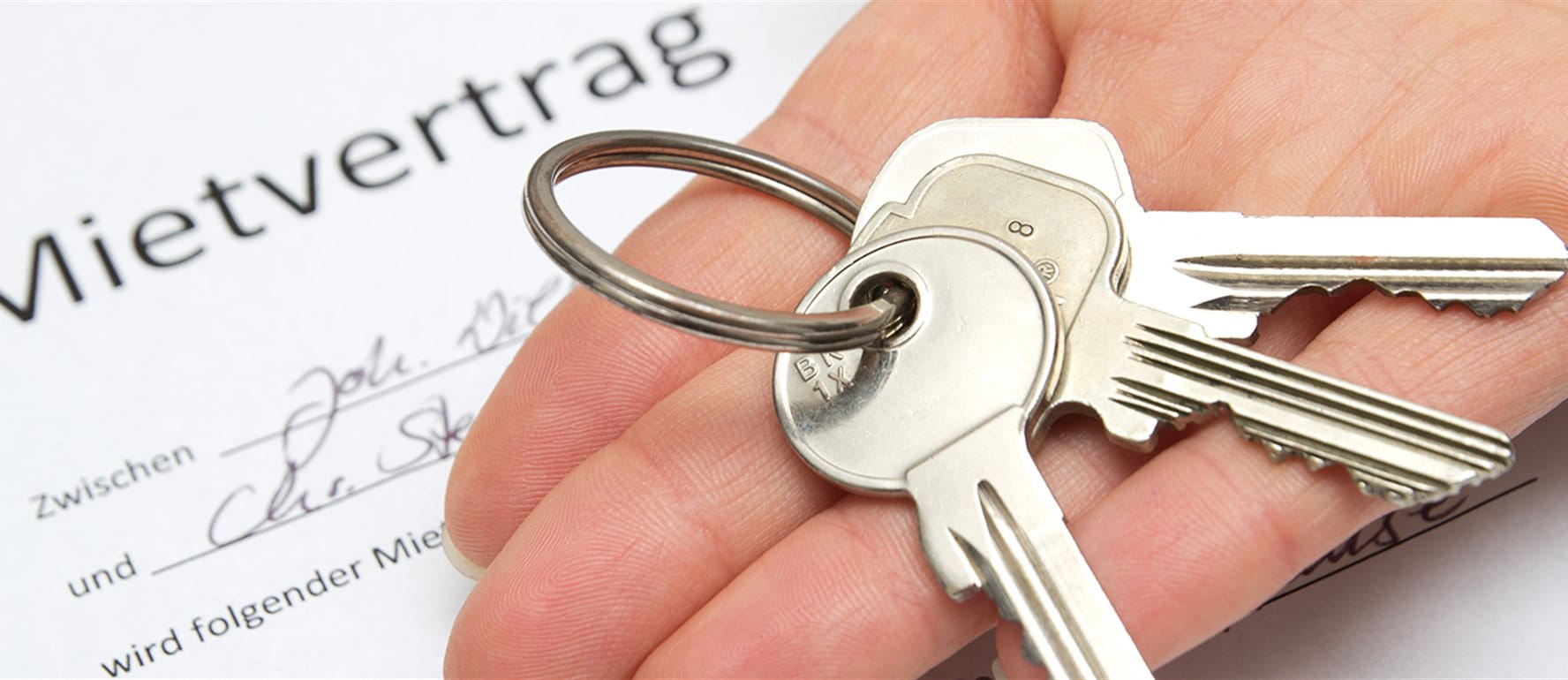
A bunch of keys lies in an open hand above a rental agreement

What does this mean for tenants?

The rental deposit is a particularly important issue for tenants, as it often represents a major financial burden – especially when moving out and into a new home, as in this case two deposits are tied up for a certain period of time. Many people ask themselves: do I have to deposit the full amount immediately? What happens to my money during the rental period? When and under what conditions will I get the deposit back? We have compiled the most important information for you.

How is the rental security deposit paid?

The traditional form of security deposit is the so-called deposit custody account. The deposit is deposited in a special bank account in the name of the landlord. This money remains blocked for the entire rental period and is not freely available to the tenant.

The traditional custody account has some disadvantages:

  • The deposit amount is often high and must be paid all at once.
  • The money remains tied up until you move out and cannot be used for any other purpose.
  •  Repayment may be delayed in the event of a dispute or if there are uncertainties regarding damages and outstanding claims.

Good to know: the landlord must have released or claimed the deposit no later than 12 months after the end of the tenancy agreement.

Because of these disadvantages, many tenants are looking for more flexible and uncomplicated alternatives to the traditional deposit.

What alternatives are there to a rental deposit?

With Zurich security deposit insurance, you don't have to block the deposit amount in a bank account. Instead, you simply pay an annual premium. In the event of a claim, Zurich will pay the landlord – either if both parties agree or if a legally valid decision has been made. However, Zurich will reclaim the amount paid out from you.

Your advantages over the traditional custody account:

  • your money remains available at all times.
  • Conclusion and payment are conveniently possible online by credit card – with immediate confirmation.
  • Zurich offers passive legal protection. This means that all claims are checked before payment and only covered if the claim is justified.

Security deposit insurance gives you more financial leeway and is very straightforward.

Friends resting on sofa and moving boxes standing around

Fast and flexible to your new home
Your money remains available: with Zurich security deposit insurance, you only pay one annual premium – simply take out the policy online, you're protected immediately!

Differences between a security deposit custody account and security deposit insurance

There are two ways to arrange your security deposit: the traditional custody account or security deposit insurance. Both options have advantages and disadvantages. We show you the differences:

Criterion
Security deposit custody account Security deposit insurance from Zurich
Liquidity Money not available, but tied up.
Money remains available. You pay an annual premium.
Conclusion
Bank account required  Bank account not necessary. Conclusion online and with immediate confirmation.
Costs
High one-time payment, no ongoing fees, one-off opening costs
No one-time payment, annual premium
Repayment Repayment after the end of the rental period (may be delayed in the event of disputes)  None, as no money is deposited. Payments to the landlord will be reclaimed by Zurich from the tenant. 
Legal protection No review by third parties, disputes often have to be resolved by the parties themselves Passive legal protection: Claims are checked before payment
Security for landlords
Landlord can access the deposit directly in the event of justified claims
Landlord receives a guarantee, claims are checked
Available for tenants No. The money is tied up until you move out.
Yes. The money remains available during the rental period.
Processing Account opening and repayment often long-winded
Completely digital and uncomplicated
Suitable for
Anyone with sufficient savings and little need for flexibility  Anyone who wants flexibility and a digital solution


If you want to use your money flexibly and prefer simple processing, security deposit insurance is usually the better choice. If you have sufficient savings and do not want any ongoing costs, the traditional security deposit custody account is recommended – especially for longer rental periods.

Security deposit: what happens in the event of a claim and repayment?

Many tenants ask themselves how repayment of the security deposit works, and what applies in the event of a claim. A common mistake: landlords can simply keep the deposit. In fact, it may only be used for justified claims – such as outstanding rent or damages. Important: claims must be asserted no later than one year after moving out.

After moving out, the deposit will be returned as soon as all claims have been settled and the tenancy has ended. In the case of a traditional deposit custody account, payment may be delayed, for example if utility bills are still outstanding or there are discrepancies.

Your advantages with Zurich security deposit insurance

  • Claims are legally checked before payment is made.
  • Both tenants and landlords are protected.
  • Clear processes and transparency create trust.

In addition, security deposit insurance offers financial flexibility and support in the event of a claim. So you can relax and concentrate on your new home – we'll take care of the rest.

Information and frequently asked questions about security deposit insurance

How high can the Rental deposit be in Switzerland, and where must it be deposited?

According to Swiss law, the security deposit may not exceed three months' rent including ancillary costs (see Art. 257e CO). The money must be deposited in a blocked account or custody account at a bank and must be in the name of the tenant. The interest that accrues on the security deposit account also belongs to the tenant. 

You should always refuse cash payments or transfers to the landlord's private account. Only the blocked account guarantees transparency and security for both sides.

When do I have to pay the Rental deposit, and what happens if I don't pay it on time?

The security deposit is usually due before moving in and immediately after signing the contract. If you do not pay the deposit on time, the landlord can refuse to hand over the apartment or take legal action. It is therefore essential that you adhere to the payment deadline.

If you cannot raise the security deposit immediately, there is a simple alternative: with Zurich security deposit insurance, you only pay one annual premium. Zurich takes over the guarantee for your deposit. This keeps your money available – e.g. for your move or new furniture. You can simply take out the insurance online.

What can I do if the landlord does not retain the security deposit correctly?

If the landlord does not place your deposit in a blocked account, but in his private account for example, you should ask him in writing to do this correctly (preferably by registered letter). If the landlord does not respond, you can offset the deposit against the next rent payments – seek legal advice beforehand.

You should always refuse cash payments or transfers to private accounts. Only a blocked account protects your claims and ensures transparency.

Does the security deposit have to bear interest, and who receives the interest?

Yes, interest must be paid on your security deposit in a blocked bank account. The interest belongs to you and is credited to your security deposit account every year. When the deposit is repaid, you will also receive the accumulated interest. 

If you don't want to block your money in an account, there is an alternative: with Zurich security deposit insurance, you only pay one annual premium. Your money remains available, Zurich takes over the guarantee for your deposit – ideal for moving or new furniture. It can be taken out conveniently online.

What can the landlord deduct from the security deposit?

The landlord may only deduct justified claims such as damage to the apartment, outstanding rent or outstanding ancillary costs from your deposit. These deductions must be clearly traceable and supported by an invoice or receipts.

One advantage of security deposit insurance: Zurich legally checks all claims made by the landlord and only pays if they are justified – unless you have already accepted the claim.

What can I do if the landlord does not pay back the deposit?

Request the repayment in writing, preferably by registered letter. If the landlord does not respond, you can request the deposit directly from the bank after one year or take legal action – e.g. via the conciliation office. Legal advice is recommended if you are unsure.

What can I do if there is a dispute about the repayment of the security deposit?

First try to find a solution together with the landlord and record all outstanding points in writing. If this does not work, contact the cantonal conciliation office or initiate debt collection proceedings. In complicated cases, legal proceedings may also be necessary.

Personal legal protection insurance can support you in such situations and provide you with legal advice.

How can I cancel the Zurich security deposit insurance?

You can cancel the insurance when your tenancy ends and all claims have been settled. To do this, simply send Zurich back the acceptance protocol, a confirmation of termination from the landlord or the original certificate. Please note: The landlord has up to one year after the end of the tenancy to file claims.