Why deepfakes can affect anyone today
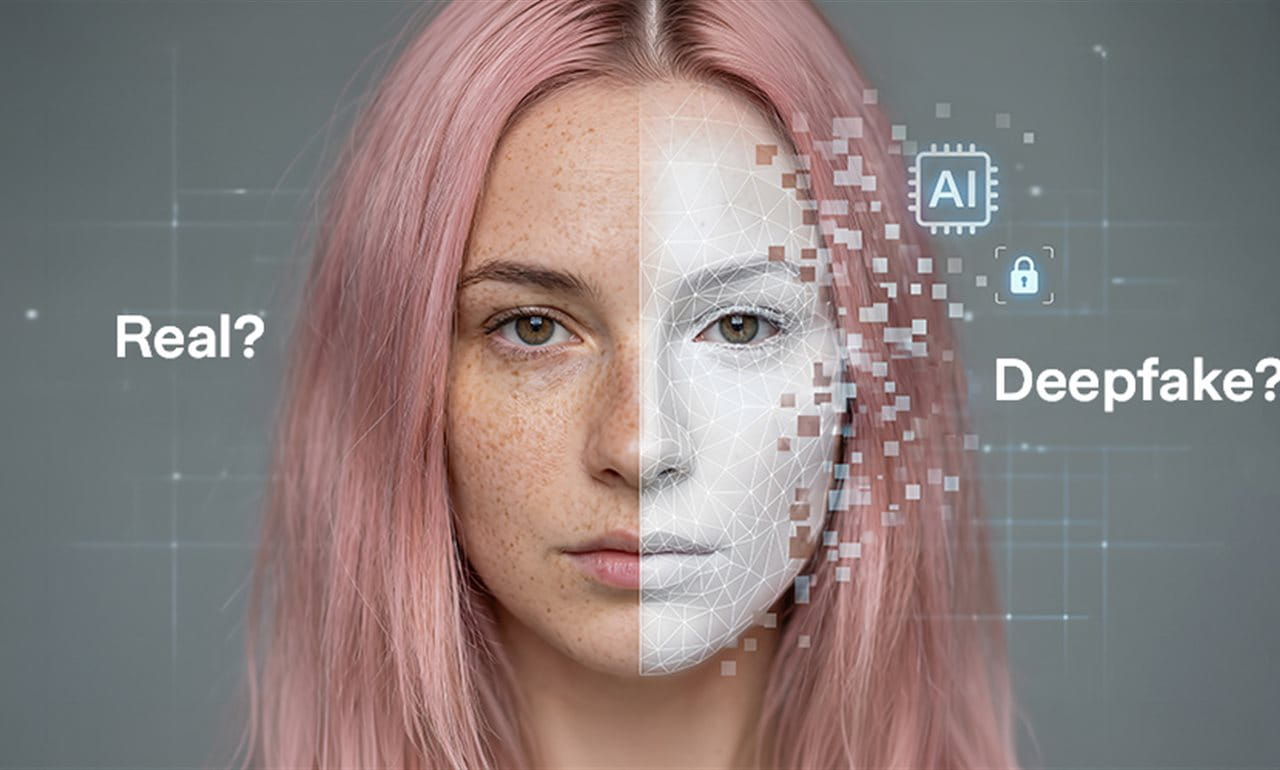
Deepfakes are images, videos or voices created or manipulated using artificial intelligence that appear so real that even professionals have trouble recognizing them right away. Some people, like the pope in his white puffer jacket are a laughing matter; others are not. For example, when someone is blackmailed with a deepfake video in which they are allegedly seen masturbating or when students share doctored nude photos of female classmates on social media.
Until recently, celebrities were the main victims of deepfakes. But now it can happen to anyone, because professional deepfakes are becoming easier and easier to create “thanks” to AI. A photo from LinkedIn, a screenshot of an Instagram timeline or a video call – combined with a little AI know-how – is all it takes to generate or manipulate compromising images, text or voice messages.
Digital manipulation: More than just deepfake porn
Such content is often created to humiliate someone, damage his or her reputation or blackmail the victim. Deepfake pornography is particularly common, in which the victim's face and voice are superimposed onto a sex video or the victim's face is superimposed onto nude images. The perpetrators' motives range from boredom to revenge following a breakup or rejection, to greed. Many doctored images and videos are used for sextortion or sexual blackmail. The perpetrator(s) threaten the victim with sending the images or videos to their partner, family or employer or sharing them on social media. They exploit the shame of their victims – who are often women – and social pressure to extort money or (usually) sexual favors.
Important: Deepfakes are used not only for sextortion, but also to deceive third parties – for example, with a manipulated voice message. For example, the perpetrators pose as supervisors or trusted individuals in order to swindle money or sensitive information out of people.
The victims suffer on many levels
In addition to professional and financial harm, deepfakes cause, above all, personal and emotional harm. The question of whether an image or video is real is often only a secondary concern. For the victims, their fear and shame of public humiliation, damage to their reputation and a loss of trust among friends or colleagues weigh more heavily. What makes this particularly troubling is that the internet never forgets and debunked deepfakes cannot always be deleted.
Often, the identification of an AI fake comes too late: The damage has been done; the victim feels ashamed and helpless and withdraws.
In addition to personal and emotional harm, there is often significant financial damage resulting from fraud, extortion or identity theft – as well as potential consequential costs such as reduced career opportunities and, consequently, lower pay due to the loss of reputation caused by a manipulated image or video.
What can victims of deepfakes do?
Victims should act immediately, but not panic. The perpetrators count on their victims feeling ashamed and afraid and therefore complying with their demands under time pressure. Keep a cool head if you're being blackmailed and proceed systematically:
- Do not pay: Do not comply with the demand and do not pay any ransom. Paying the ransom does not put an end to the extortion; rather, it increases the risk of further demands.
- Secure the evidence: Save all emails, links, messages and phone numbers from the perpetrators; take screenshots; and document any payment demands or threats.
- Notify the authorities: Report the extortion attempt immediately to the police and the National Cyber Security Centre (NCSC).
- Contact platforms: Ask social media platforms, messaging services or websites to immediately remove or block deepfakes.
- Get support: Talk to someone you trust and seek professional help. The psychological distress caused by sexualized deepfakes or sextortion is often significant.
- Consider taking legal action: Depending on the circumstances, you should file a criminal complaint, take civil action or assert your rights under data protection laws. Private legal protection insurance provides you with advice and assistance and covers the costs.
6 tips for protecting yourself against deepfakes
There's no such thing as 100% security. But you can significantly reduce the risk: The fewer photos, videos and pieces of information you post about yourself online, the lower the risk. However, since it is virtually impossible these days to limit one's digital visibility to such an extent, it is important to handle one's own data responsibly and to develop media literacy:
- Consciously shape your digital visibility: Before every post, think about which images, data or videos you want to make public for everyone to see. Avoid taking sensitive or intimate photos in private spaces, regularly check your privacy settings on social media and review which content is publicly accessible.
- Separating work and personal life: If you're in the public eye – whether professionally or personally – you can't simply reduce your visibility. But you can consistently protect your private photos and videos, report fake social media profiles to the platforms and occasionally search the internet for your name and photos or videos featuring you.
- Securing accounts and identity: Use strong passwords and enable two-factor authentication (2FA) wherever you need to log in. A password manager helps you keep track of everything and close security gaps. Update your operating system, antivirus software and all programs regularly; install all security updates and never click on unknown attachments, links or login requests.
- Be mindful: Just a few images or short audio clips are enough to generate AI deepfakes. Be alert and cautious if strangers initiate a spontaneous video call, leave you a voice message or share photos – for example, on dating apps.
- How to spot deepfakes: Pay attention to wording, lighting, facial expressions and transitions. Deepfakes are getting better and better, but they're not perfect yet. Be skeptical and don't forget, it’s better to look or listen once too often than not enough – especially if you’re asked to send money or disclose information.
- Identifying risks early: As mentioned there's no such thing as 100% security. But there are technical prevention solutions, such as the Zurich Cyber Security App, that alert you as soon as your personal data and other sensitive information appear on the internet or the dark web. This way, you can change your passwords immediately, protect your profiles and detect misuse early on – before you’re blackmailed or your digital identity is compromised.
Can victims of deepfakes file a lawsuit?
Switzerland does not yet have a law specifically addressing deepfakes. Nevertheless, the victims can fight back. For example, anyone whose personality rights are violated by AI-generated audio recordings, images or videos may invoke the protection of personality rights under Article 28 of the Swiss Civil Code and sue for deletion, an injunction and, in serious cases, damages and compensation for emotional distress. And if criminal offenses such as fraud, defamation, extortion, identity theft or pornography have been committed, the victims can file a criminal complaint for violation of data protection law.
How legal protection and cyber protection insurance can help
Private legal protection insurance from Orion helps you assert your rights. For example, if you want to enforce the removal of deepfake content, file an injunction, file a criminal complaint or take civil action against the perpetrators. When the going gets tough, legal protection insurance covers the costs of the attorney, the court proceedings and all expert opinions in accordance with the general conditions of insurance. This support is a great relief for the victim, especially in cases of cyberbullying, defamation or sextortion.
Zurich's cyber protection insurance supports victims, for example, if their accounts have been hacked, their digital identity has been stolen or their data has been misused. It provides immediate technical assistance and helps restore the affected accounts.
Conclusion: The danger is real
But there's no need to panic. You can reduce your risk and maximize your protection with cyber protection and personal legal protection insurance.