Back to overview

Buying a used car: The direct road to your dream wheels

Second-hand vehicles are a popular choice in Switzerland. The range is huge – but so is the uncertainty: Is the price reasonable? Does the mileage match the age? How do you discover hidden defects? What should I pay particular attention to with regard to the warranty, service booklet and purchase contract?
Our checklist will guide you step by step, and our damage experts will give you an insight into typical mistakes and explain how to avoid them when buying a used car.
A person hands over car keys to another person in front of a parked car

Quick check for buying a used vehicle: The most important things in 30 seconds

  • Check the vehicle thoroughly: Look at the bodywork, engine compartment and service booklet carefully – ideally together with another person or a specialist.
  • Take a test drive: Test the engine, brakes and steering without music to detect unusual noises or warning signals at an early stage.
  • Set out the purchase contract in writing: Set out the purchase price, known defects and warranty agreements in the contract.
  • Get your insurance set up before completing the deal: Organize your car insurance in good time and check whether partial or fully comprehensive cover is best for you.
  • Do not decide under time pressure: Take your time to compare offers and don't let yourself be pressured into making a hasty purchase. 

Step by step to the right used car

1. The right vehicle for your everyday life

Think carefully before buying a second-hand car:

  • What size vehicle do you need for everyday use (number of people, trunk space)?
  • What is your total budget (incl. maintenance and insurance)?
  • What type of engine are you thinking of (gasoline, diesel, hybrid or electric)?
  • How many kilometers do you drive per year?

2. Compare prices

Compare different offers and check whether the price is in line with the market.
Helpful platforms:

Make sure that the mileage, equipment and condition are comparable.

3. Viewing: It pays to take a close look

Plan your visit in daylight and ideally take another person with you.

Pay particular attention to: 

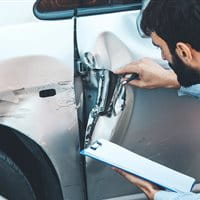
  • Bodywork and paint: Do you see differences in color, rust or scratches, or traces of accidents? 
  • Engine compartment: Are there any signs of oil loss, leaks or unusual noises? 
  • Service booklet: Is it complete and does it document all regular or major repairs?  

Zurich expert tip: How to avoid expensive surprises

Our claims statistics show: Vehicles with a complete service history, few previous owners and regular maintenance are much less likely to incur high repair costs. You should therefore check the service booklet, repair receipts and maintenance intervals particularly carefully. A transparent vehicle history significantly reduces the risk of unexpected follow-up costs. 

4. Test drive: Recognize warning signs

A test drive is a must before you buy a second-hand car, even if it only provides a snapshot. It's quite possible that you'll still need to replace parts subject to wear and tear soon afterwards. Pay attention to: 

  • Control lamps on the dashboard
  • Directional stability when braking
  • Noises when changing gear
  • Unusual odors

5. Estimate mileage correctly

Many people ask themselves: Is 200,000 km too much for a second-hand car? 

A guideline value is 10,000–20,000 km per year. The main thing is: 

  • Has the vehicle been serviced regularly?
  • Are major works documented?
  • Is the condition plausible?

It's not just mileage that counts – it's maintenance.

6. Seller, sales contract and warranty: Security through clear agreements

Before buying, clarify who is selling the vehicle and under what conditions. Ask specifically about: 

  • known accident damage or major repairs
  • its last MFK inspection and the corresponding report
  • the reason for the sale

Place your trust in reputable providers. An established specialist company often offers a second-hand guarantee that protects you from unexpected repair costs. 
Insist on a written purchase contract. Set out the purchase price, known defects, warranty agreements and all warranted characteristics in a way that is binding. This will help you avoid misunderstandings and create clarity in the event of a dispute. 

The right insurance for your used car

To start driving your vehicle, you need motor vehicle insurance. Motor third party liability insurance is required by law. This covers damage that you cause to others with your vehicle. In addition to your third-party liability insurance, we recommend taking out single vehicle accidental damage insurance or, for even more extensive cover, fully comprehensive insurance (for newer used cars). Other supplementary insurances such as roadside assistance or traffic legal protection extend your cover as required.   

Everything you need to know about liability insurance for your vehicle

Accidental damage insurance or comprehensive cover – what suits your situation?

Find out what the differences are and which insurance coverage makes sense for your vehicle.

Go to the article

Couple in car

With our car insurance, you are optimally covered on the road – flexible, fair and tailored to your needs.

A Zurich claims expert explains what really matters when you buy a used car

A second-hand purchase raises a lot of questions – especially if you don't have much experience. Our claims expert shares his practical experience and explains what you should pay particular attention to. 

General information on buying a used car

1. In your opinion, what are the most common mistakes people make when buying a second-hand car?

Buying a vehicle is often an emotional decision – and therefore one that's sometimes made too quickly. Trust is important, but you should always set out all agreements and assurances in writing in the purchase contract.

If an offer seems too good to be true, it's worth being cautious. We recommend buying from a well-known specialist company or at least from a reputable supplier with transparent information. An indication "with MFK" simply means that the vehicle meets the minimum technical requirements – it is not a guarantee of quality. A used car warranty can offer additional security. 

3. What hidden defects are often only discovered after purchase?

A test drive is always just a snapshot. Costs often appear shortly after purchase due to wearing parts such as brakes, tires or upcoming service work – for example, a timing belt change.

A look at the service booklet helps you to estimate what planned work might be needed. Be sure to also open the hood and check for traces of oil or other leaks. A look under the vehicle can also provide indications of underbody damage. 

Maintenance and vehicle history

4. How important is the service booklet?

Very important. The service booklet should be complete and should not contain any missing pages. For newer vehicles, electronic service booklets are often available – the dealer can provide information here. If necessary, the history can also be obtained from the workshop that carried out the last service. 

5. At what age or mileage should I be particularly careful?

There are no fixed thresholds. It's generally worth being more cautious with vehicles outside the warranty. As vehicles get older, the risk of technical failures increases. Even if the mileage is conspicuously low, you should ask whether it is plausible and can be confirmed by the service booklet. 

Technology and testing for purchases

Electric vehicles and battery

8. What are the biggest stumbling blocks when you buy a used electric car?

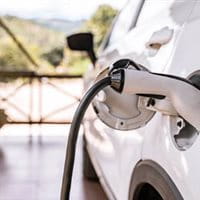
At present, many used electric cars are still relatively new, which is why the risks are manageable. Nevertheless, you should have the battery condition confirmed in writing – ideally with a battery certificate. Also check the factory warranty, which is often longer for the batteries of electric vehicle than the general vehicle warranty.

Older models usually have a shorter range than newer generations.

Safeguarding and procedure in the event of problems

11. What should I do if problems occur after purchase?

Contact the seller immediately and make a written complaint about the defect. Document the defect with photos and record all steps in writing. Also inform the seller in writing – this way you create a clear starting position. 

Loss events and insurance

With professional support from

>Urs Weibel

Urs Weibel

Group Leader Vehicle Experts – CoC Vehicle Experts

As head of CoC vehicle experts at Zurich, he contributes his extensive expertise in vehicle damage and electromobility to this guide.

Personal advice

What is your most important tip for a worry-free second-hand purchase? 

Take your time. Buying under pressure is rarely a good decision. If you are buying privately, ask a specialist to inspect the vehicle. Compare several offers to get a feel for the market price – and if possible, don't go ahead without a guarantee. 

FAQs and typical user questions

What should I look out for when buying a second-hand car in Switzerland?

When buying a second-hand car in Switzerland, you should pay particular attention to the technical condition, service history and contract details. A complete service booklet, full vehicle documentation and clear information on accidents or repairs are crucial. During your inspection and test drive, check the engine, electronics, brakes, tires and bodywork carefully. A written purchase contract also protects you from misunderstandings. 

Is mileage of 200,000 km too much for a used car?

200,000 km is not necessarily too much. The make, model and, above all, maintenance are crucial. With regular maintenance, many vehicles are reliable even with high mileage. The important thing is that major service work such as changing the timing belt or clutch is documented. Condition and maintenance count more than simply the number of kilometers. 

What kind of mileage should a used car have?

The guideline is 10,000 to 20,000 km per year. A vehicle with significantly higher or lower mileage is not necessarily worse – what matters is whether its use, age and maintenance plausibly match. A well-maintained vehicle with a higher mileage may be a better choice than a low-mileage used car that has not been maintained so well. 

Which used car causes the fewest problems?

There is no make that is fundamentally problem-free. Second-hand purchases generally show that vehicles with regular maintenance, a transparent previous owner history and complete documentation are much less likely to incur high repair costs. A clean service history is more important than the make. 

What should I pay particular attention to when buying a used electric car?

When you buy a used electric car, the crucial factor is the condition of the battery. Have the remaining capacity and battery condition confirmed in writing – ideally by a brand-name company. Also check the remaining factory warranty, as this is often longer for electric vehicles. This will help you avoid unexpected follow-up costs.