Back to overview

Comprehensive cover or partial casco – which one do I need?

When choosing the optimal protection for your vehicle, various insurance coverage options are available, particularly comprehensive and partial coverage. This article explains the main features and differences between comprehensive and partial coverage to help you choose the right insurance option for your needs.

Child with cell phone in the car

Do I need partial casco – and what is it anyway?

Single vehicle partial casco insurance comes into play for unexpected damage. The following risks are insured:

  • theft
  • fire and damage caused by natural hazards
  • hail damage
  • glass breakage
  • vandalism
  • collision with animals
  • damage by martens or rodents.

Collision damage is not included in the partial casco cover, it is covered by comprehensive cover A classic example of a partial casco claim is a stone chip in the windshield.

What is comprehensive cover?

Comprehensive cover is comprised of partial casco and collision cover. Collision includes accidental damage to your own vehicle. A typical comprehensive cover claim is a collision with a post or other vehicle, which you caused yourself. It doesn't matter whether the collision is with an object, such as a tree or a wall or another vehicle, and the damage was caused by you. Damage caused by willful acts of third parties is likewise covered. Damage caused by the motor vehicle to other persons, property or animals is insured under the mandatory motor vehicle third party liability insurance.

What is the difference between comprehensive and parking damage cover?

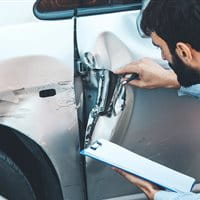
If parking damage occurs to your own vehicle, it is important to clarify how the damage occurred. Self-caused parking accidents are covered by comprehensive insurance cover. Damage to the parked vehicle caused by unknown persons or vehicles is insured via the additional parking damage cover or the collision cover (comprehensive insurance). In the event of a collision, the insured must accept any deductible and bonus loss. A classic case of parking damage is encountering a dent on your own vehicle after shopping and there is no trace of the culprit.

When is partial casco worthwhile? When is comprehensive cover worthwhile?

In addition to the mandatory liability insurance, at least the partial casco is recommended to everyone, because a car window breakage, for example, can happen to anyone. Comprehensive cover is primarily for newer vehicles. It pays for the repair costs in the event of collision damage. In the event of a total loss, the benefit is paid on the basis of the agreed compensation option. At Zurich, comprehensive cover is usually recommended until the seventh year of operation, but it all depends on the personal situation. Zurich customers can generally choose the scope of their cover according to their needs. For example, owners of electric cars can take out all-round protection with the "E-Mobility Protect" supplementary insurance.

What service does Zurich offer for car insurance in the event of a claim?

Zurich offers excellent service, even in the event of a claim, thanks to our network of around 30 Zurich Help Points and numerous partner garages. Upon request, we will organize your repair through our Zurich Help Points, ensure you remain mobile and provide you with a lifetime warranty for all repairs carried out by our partner garages.

Woman with a headset in a call center

Locations and Help Points
In the event of a loss, we are quick, easy to deal with and always nearby.

You have decided to buy an electric vehicle?

Then benefit from an eco-bonus with a reduction of up to 20% on your premium for electric vehicles. In addition, thanks to the "E-Mobility Protect" supplementary insurance, you have the option of fully insuring the high-voltage battery, the charging station and accessories, as well as the charging app and card.

man at the wheel of a car

Comprehensive cover or partial casco?
Damage to cars can be really expensive: will partial casco suffice – or do I need comprehensive cover? And what is that exactly?